Thinking on climate, energy and the marketing that moves them.
Perspectives from the Climate Marketing Lab community, part think tank, part field notes from the front line of climate growth.
Part 8 - What a Billionaire's Checklist Can Teach Us About Fixing Net Zero
Why Thinking Clearly Is a Climate Strategy Charlie Munger's 25-point checklist was built to help people spot bad judgment before it became expensive. It was aimed at investors and business leaders, not climate policy. But the logic holds. People do not make decisions about net zero in a spreadsheet. They respond to what feels real: this month's bills, a visible planning dispute, a rule they think will affect them, or something they have seen shared repeatedly online.
Part 7 - What a Billionaire's Checklist Can Teach Us About Fixing Net Zero: The Startups Attacking the Bottlenecks
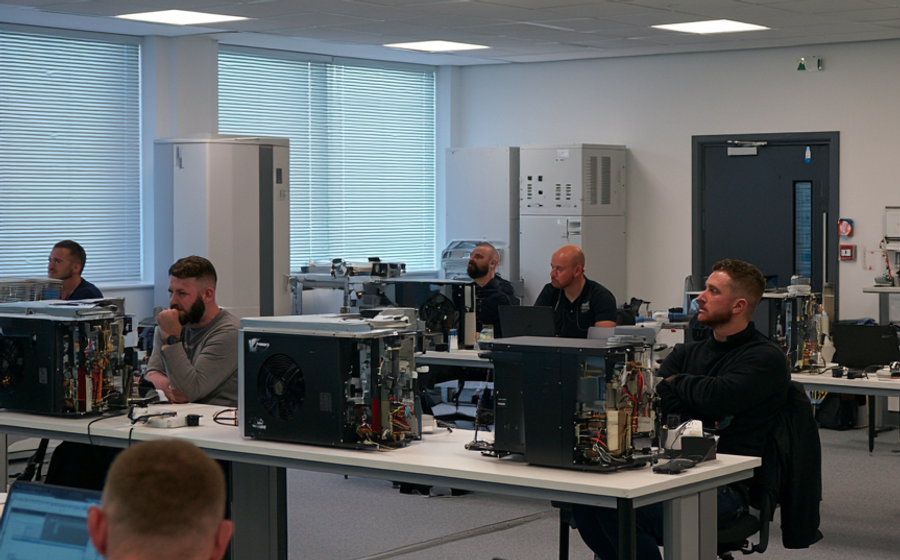
Article six in this series identified four bottlenecks that actually set the pace of UK clean energy build-out as public opposition is not really the obstacle: the grid connection queue, planning and consenting delays, skilled labour and installer capacity, and capital deployment for large infrastructure. This final article maps the startups working directly on each bottleneck, and closes with four gaps that remain, each one grounded in the specific rate-limiting constraint the evidence points to rather than a generic call for more innovation.
Part 6 - What a Billionaire's Checklist Can Teach Us About Fixing Net Zero: Moving the Bottlenecks
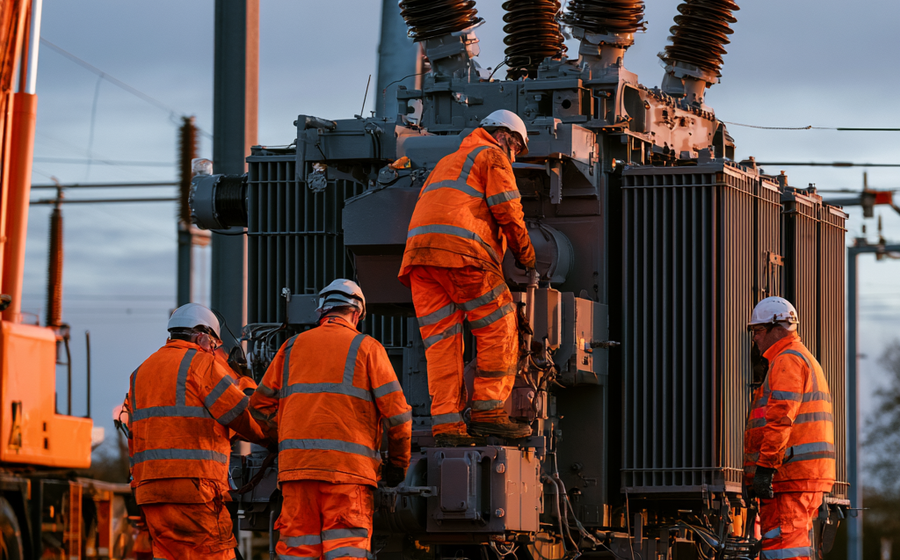
Article four in this series set out twelve things the public can do, each one removing a small piece of the public-opinion brake that slows down the infrastructure clean power, food, nature, and transport transitions depend on. That list does not, by itself, make anything happen faster. It removes resistance. This article looks at the engine underneath it: the physical, financial, and administrative bottlenecks that actually determine how quickly the UK can build the things it has already decided to build.

Part 5 - What a Billionaire's Checklist Can Teach Us About Fixing Net Zero: The Startups Making It Easier
Article four in this series set out twelve concrete actions available to the UK public across energy, food, health, nature, and transport. None of those actions require government to move first or a company to build anything new; the grants, schemes, and volunteer programmes already exist. What is less visible is the layer of businesses working specifically to make each action easier to find, faster to complete, or more likely to actually happen once someone decides to try.

Part 4 - What a Billionaire's Checklist Can Teach Us About Fixing Net Zero: Things the Public Can Actually Do
The practical follow-on question is what closes that gap for an individual person, right now, in a way that produces a visible result rather than another abstract commitment. The twelve actions below follow that logic directly. Each is a real, currently open route into one of four pillars, energy, food, nature, and transport, split evenly at three each, and ordered from fastest and easiest to more involved.

Part 3 - What a Billionaire's Checklist Can Teach Us About Fixing Net Zero: The public debate vs the public
The problem with net zero is not that people disagree with the underlying goal. Polling consistently shows majority public support for the target itself, around 60 percent in the UK, holding steady even as political rhetoric around it has become more hostile (YouGov; IPPR/Persuasion UK).

Part 2 - What a Billionaire's Checklist Can Teach Us About Fixing Net Zero: Charlie Munger's 25, Updated for 2026
Charlie Munger wrote his "25 Standard Causes of Human Misjudgment" in 1995 and revised it in 2005, laid out in full in the first article of this series. He was thinking about investors, boards, and salesmen. He was not thinking about an algorithm that learns a person's emotional triggers in real time and feeds them more of whatever keeps them scrolling. That is the update this article works through: taking the same 25 tendencies and updating how they apply to a world of smartphones, engagement-ranked feeds, and a political landscape increasingly organised around identity rather than policy. This is a shift in use, not a correction of Munger's original work. Munger's 25 tendencies remain the right map of how human judgment fails. What has changed is the terrain. Several of Munger's minor, occasional tendencies have gone from rare events to daily, industrial-scale forces acting on almost everyone, several times an hour.
Part 1 - What a Billionaire's Checklist Can Teach Us About Fixing Net Zero: Charlie Munger's Original 25
Charlie Munger was the billionaire vice-chairman of Berkshire Hathaway and Warren Buffett's business partner for more than six decades, widely credited as the intellectual co-architect of one of the most successful investment records in history. Munger was never just a numbers man. He believed the biggest risk to any investor was not a bad balance sheet but bad thinking, and that most investment errors were really errors of psychology in disguise. So he spent decades building a personal mental checklist of the ways human judgment reliably goes wrong, in order to catch those errors before they proved costly.

Putting the billions of FREE curtailed energy to use
Britain alone paid £1.5 billion in 2025 alone to switch wind farms off, and globally the lost value of curtailed wind and solar passed $20 billion in 2024, a figure IRENA expects to keep climbing as more renewables come online faster than the grid can absorb them... 20 ideas some are a little curveball

The "One Entire World" Energy Bill Behind Direct Air Capture
Direct air capture sounds like a simple fix: build enough machines, pull the carbon back out. However, the energy maths says otherwise. With the best DAC technology available today, removing just 1–2ppm of CO2 from the atmosphere would take roughly the entire world's annual electricity output ...

Nearly £50K per household - the hidden oil and gas bill
Let's be honest about something. Fossil fuels were extraordinary. Coal powered the Industrial Revolution. Oil and gas fuelled every subsequent leap - mass manufacturing, modern agriculture, global logistics, the internet age itself. For 150 years, cheap, dense, portable energy was the engine of human progress, and the world owes an enormous debt to what fossil fuels made possible. But there's an invoice, a large one… I’m not talking climate, that’s for another day, I’m talking pounds, shillings & pence - and in the current debate about whether Britain should be drilling more in the North Sea, it's conspicuously absent from the conversation.

A New Energy Reality Is Coming - Is Your Strategy Ready?
We’re heading into a “very tricky phase” for the fossil‑fuel economy. Further geopolitical tension in the Middle East is adding fresh volatility on top of an already fragile oil and gas market, while longer‑term transition risks are increasing for carbon‑intensive industries and assets. Over the next few months in particular, this mix of instability and structural change is likely to make planning, pricing and investment decisions much harder for anyone still heavily exposed to fossil‑based costs.

How to Win Climate Arguments Without Converting a Single Denier
There is almost no strategic value in trying to convert a hardened climate denier on social media. The odds of a dramatic public “conversion moment” are vanishingly small; the odds of a time‑sucking argument that leaves everyone entrenched are almost guaranteed. But that does not mean those exchanges are pointless. It just means the denier is not your real audience. Every time a denial comment appears under a climate post, there are usually 100+ people reading silently. They are curious, mostly‑convinced, or quietly worried. They are not typing, but they are watching. The question is: what are you showing them? If the thread becomes a shouting match, the silent majority see climate as “just another online fight.” If, instead, they see calm, good‑humoured responses that make the science (and the silliness of denial arguments) obvious, then maybe we get them to edge closer to action. The conversion myth - the idea that “if I just find the right fact, I’ll convert this denier” is tempting. It feels like a heroic one‑on‑one battle for truth. In reality, most committed deniers are not arguing from ...

Climate Attribution Science: The Case for Corporate Accountability
Climate attribution science has reached a tipping point. New "end-to-end" models can now trace specific companies' carbon emissions directly to the climate disasters devastating communities thousands of miles away. This is no longer a concept as it's already in court.

Climate Marketing Lab is supporting SEABANC with their pitch for a $1M funding round to scale
Climate Marketing Lab is supporting SEABANC with their pitch for a $1M funding round to scale a circular-ocean venture tackling the Dominican Republic’s sargassum crisis. Who are SEABANC LTD?

Not the beginning of the end... But the end of the beginning?
Bill Gates, known for anticipating major shifts a decade ahead: In his latest climate reflections, Gates positions current progress as a pivotal transition ...

The Pacific Just Absorbed Enough Energy to Power the World for Nearly a Decade
The BBC reported last week on a "mystery heatwave" warming the Pacific Ocean to record temperatures. We ran the numbers. What we found should terrify you...

Climate Tipping Points
Social Tipping Points: Can Positive Change Reverse the Climate Crisis? In a recent Guardian interview, Professor Timothy Lenton—one of the world’s leading experts on climate tipping points—warns that humanity is closer than ever to triggering irreversible changes in the Earth’s systems. From the accelerating loss of the West Antarctic and Greenland ice sheets to the dieback of rainforests and coral reefs, the risks have grown since the first climate tipping elements map was published in 2008.

Humanities worst ongoing crisis
Every month, more than 250,000 people die from the effects of smoke inhalation due to cooking with wood or charcoal—exceeding the total fatalities of the 2004 Indian Ocean Tsunami. This MONTHLY ongoing tragedy represents the worst human disaster of modern times, with over 60 million world wide fatalities since that fateful day in 2004, claimed the lives of 230,000 individuals.
Can We Run a Grid Entirely On Renewables?
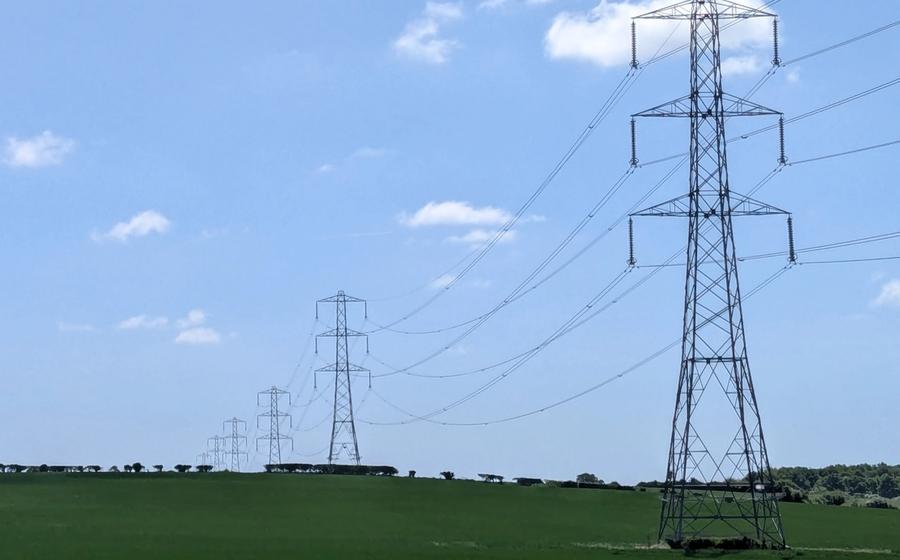
The short answer is yes...but it’s not quite that simple. As the world races toward net zero, the question “Can we run a grid entirely on renewables?” is no longer theoretical. With wind and solar now dominating new power installations

What would Churchill say...?
"I have nothing to offer but innovation, resolve, tears and sweat. We have before us an ordeal of the most urgent kind...
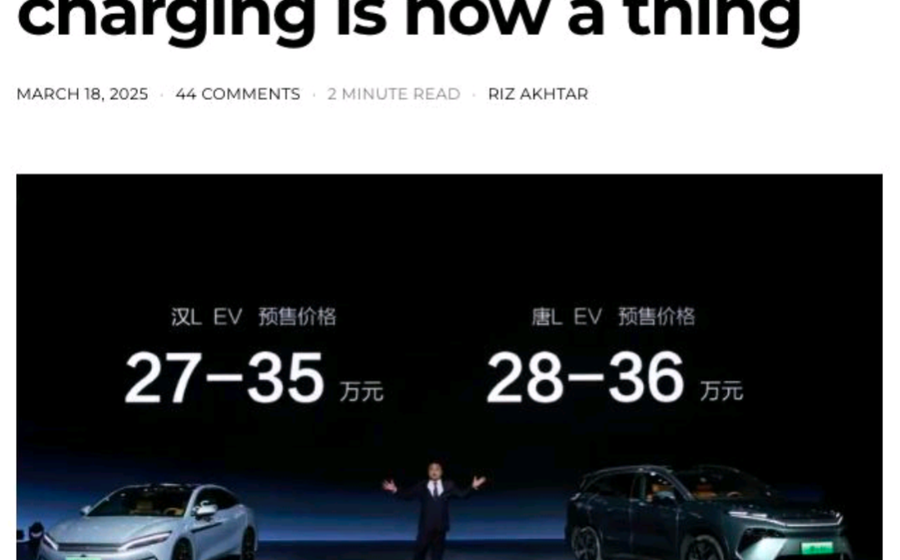
1 MW car charging
1MW chargers from BYD mean 400km of charge in 5 minutes...
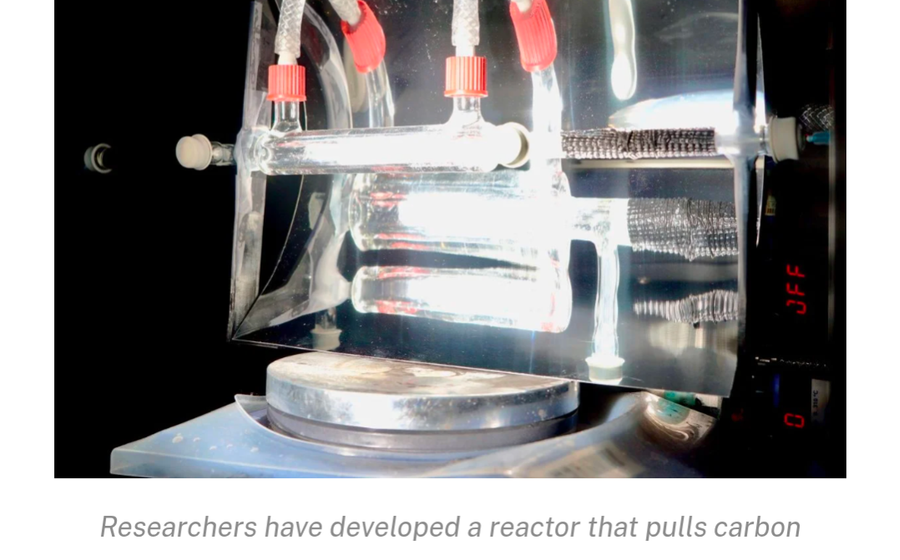
Synthetic fuels made from captured CO2 and sunlight
Cambridge University scientists have developed a solar powered reactor that captures CO2 ...
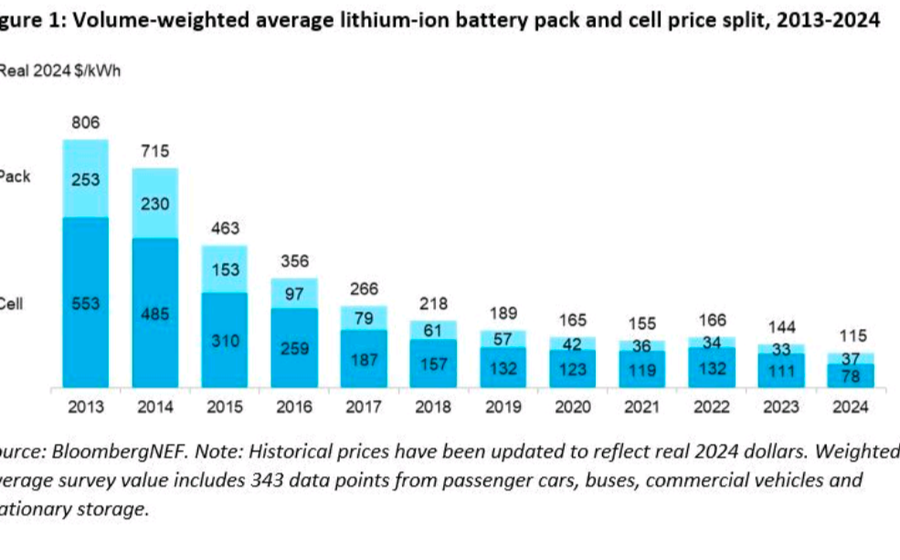
Batteries cost 1/7th of a decade ago
Lithium ion battery prices tumbled 20% in the last 12 months, making ...

Launch of new early warning system for climate tipping points
Guardian report today on new +£80m investment in drones and other systems to help measure and assess climate tipping points
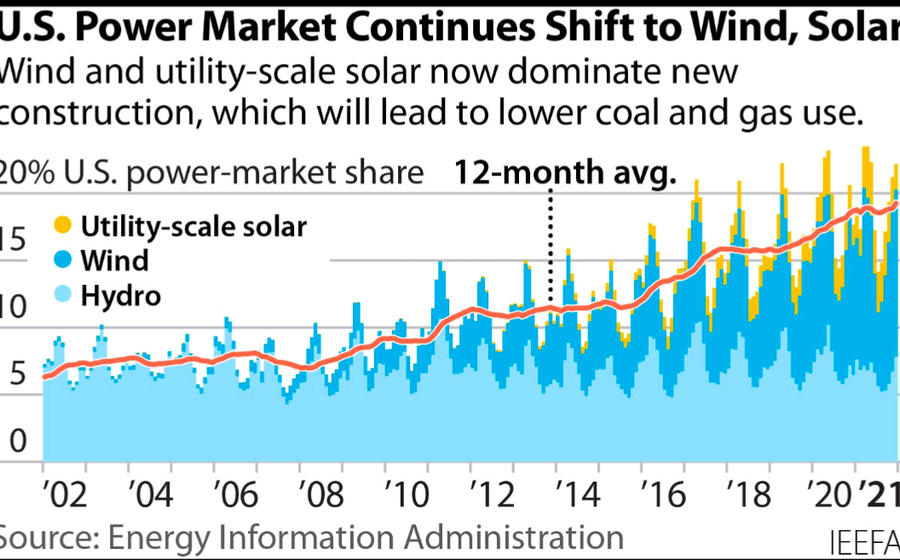
US Renewables share still growing
US Power market is shifting...
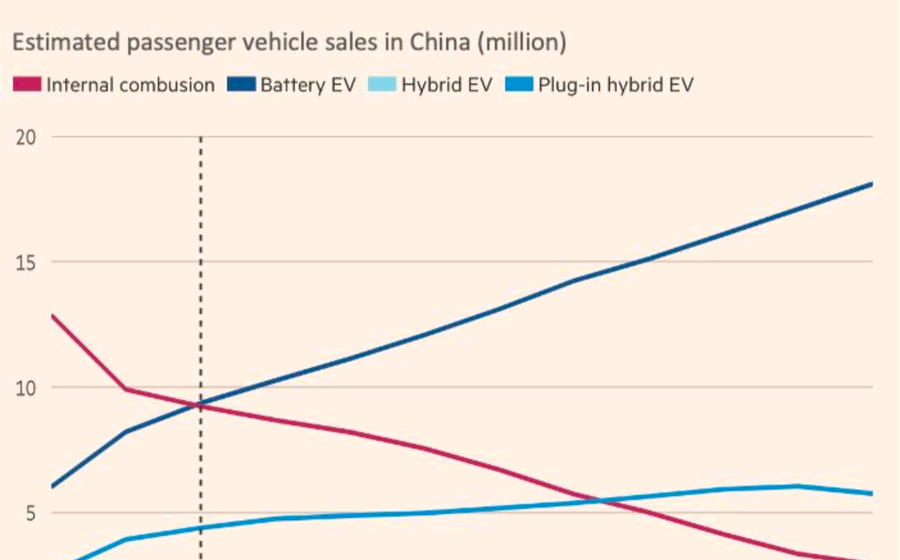
China to hit EV target TEN years early
China to hit EV target 10 years early

UK Launches Bletchley Climate Park: A Global Hub for Climate Innovation
Surely we can make this happen? Exciting news for climate scientists! The UK is launching a ground breaking initiative: the Bletchley Climate Park, a world-leading multidisciplinary climate science park located near the historic Bletchley Park, midway between Oxford and Cambridge. Building on Bletchley's legacy of innovation and problem-solving, this new hub aims to be the Silicon Valley of climate change research. We're calling on recently unemployed climate scientists from the USA to join colleagues from UK and Europe in this crucial endeavour.
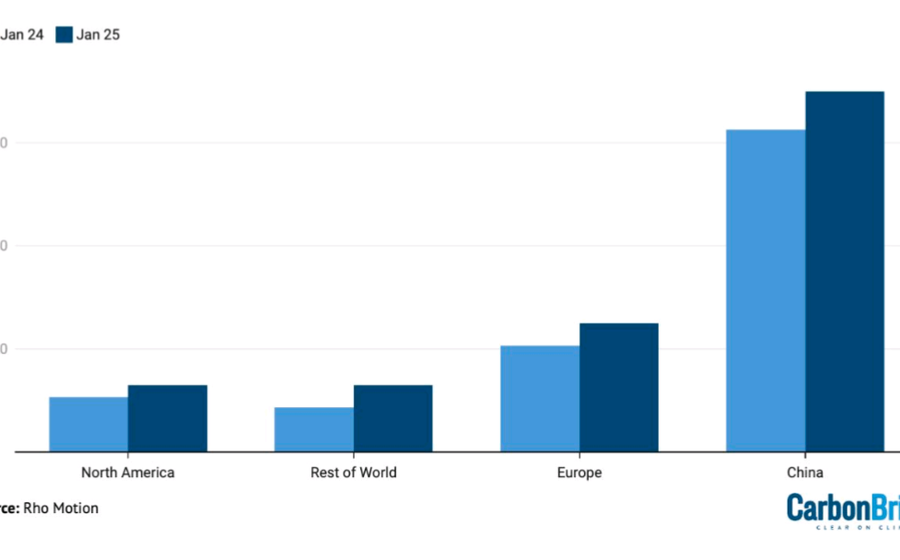
EV sales up 18% in Jan 25
EV sales are up 18% YOY Source: Carbon Brief | Rho Motion

Literally make your house out of recycled "Lego Bricks"
This innovative Belgium company make Lego brick style house construction possible - and made from recycled materials
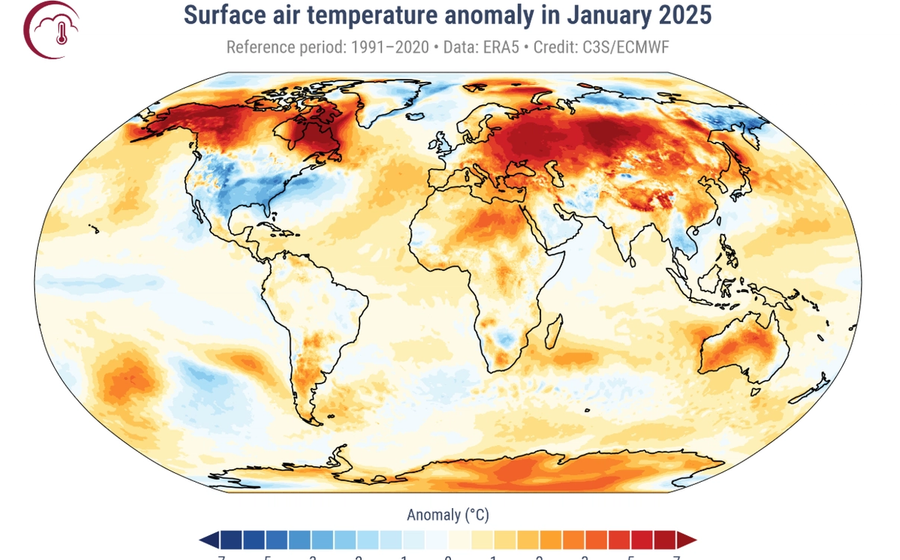
January 2025 was the warmest on record globally
We are often asked, why do you give away fully fledged marketing plans when you could charge for them. ***This is why ! ***
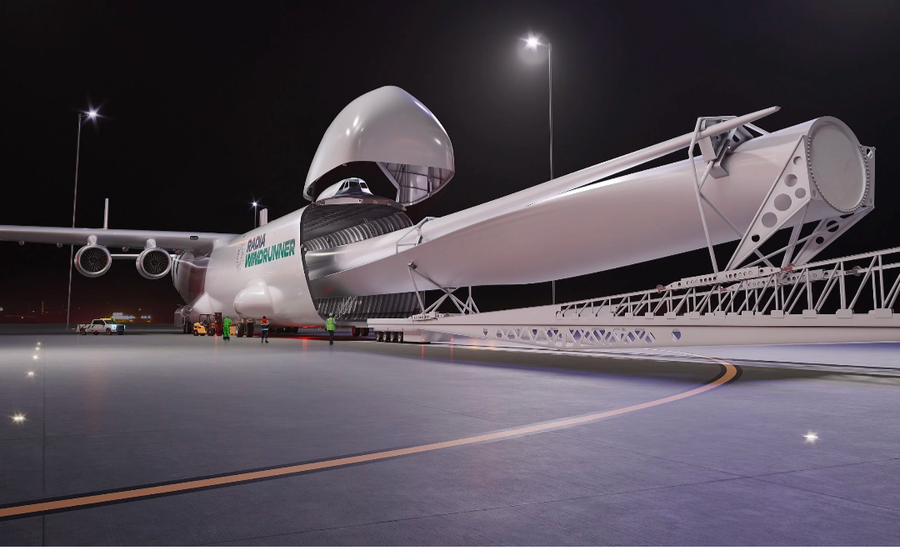
Windrunner - transporting 100mm turbine blades
We just love the idea of aeroplanes nearly twice the length of a Jumbo jet ...
Want this thinking applied to your venture?
Book a Strategy Sprint and turn ideas into a concrete plan for your climate mission.